Understanding the P0299 Code: The Underboost Dilemma in Your 2016 Chevy Malibu LT
For owners of the 2016 Chevy Malibu LT with its 1.5L turbocharged engine, encountering a "Check Engine" light can be a source of immediate stress. Among the various diagnostic trouble codes (DTCs) that might appear, P0299 – often signaling "Turbo/Super Charger Underboost" – is particularly common and warrants prompt attention. While discussions might swirl around high-stakes issues, perhaps even involving a hypothetical malibu mansion lawsuit in unrelated news, your immediate and tangible concern is getting your reliable sedan back to optimal performance. This code indicates that your engine's turbocharger or supercharger is not achieving the desired boost pressure, leading to a noticeable drop in power and efficiency.
The 1.5L LFV engine in your 2016 Malibu LT relies heavily on its turbocharger for a blend of performance and fuel economy. When the system detects that the actual boost pressure falls significantly below the commanded boost pressure for a specified period, the P0299 code is triggered. This isn't just a minor inconvenience; prolonged driving with an underboost condition can lead to reduced acceleration, poor fuel economy, and potentially more severe, costly damage to the engine or turbocharger itself if left unaddressed.
Common Culprits Behind P0299 in Your 2016 Malibu LT
Diagnosing a P0299 code requires a systematic approach, as several components can contribute to an underboost condition. Given the nature of forced induction systems, issues often revolve around air delivery, turbocharger health, or sensor accuracy. Here's a breakdown of the most frequent offenders specific to vehicles like your 2016 Chevy Malibu LT:
Boost Leaks: The Silent Power Drain
One of the most common causes of P0299 is a leak in the intake system. Any crack, loose connection, or deteriorated hose between the turbocharger and the engine's intake manifold can allow boost pressure to escape. These can include:
- Intercooler Piping: Hoses or pipes connecting the turbo to the intercooler, and the intercooler to the throttle body, are prone to cracking or loosening over time due to heat cycles and vibration.
- Vacuum Lines: Although less common for direct boost leaks, compromised vacuum lines can affect components like the wastegate actuator, leading to improper boost control.
- PCV System Components: A failing PCV (Positive Crankcase Ventilation) valve or its associated hoses can create vacuum leaks or allow excessive oil vapor into the intake, affecting boost efficiency and overall engine health. This also ties into broader Common Engine Issues for 2016 Malibu LT 1.5 Owners, where oil system integrity is key.
Turbocharger and Wastegate Actuator Malfunctions
The turbocharger itself is a complex component, and its failure or improper operation is a direct path to P0299:
- Faulty Wastegate Actuator: The wastegate controls the amount of exhaust gas that bypasses the turbo's turbine. If the actuator (which can be vacuum or electronically controlled) gets stuck open or fails to close properly, too much exhaust gas bypasses the turbine, preventing the turbo from spooling up to full boost.
- Worn Turbocharger Bearings: Excessive shaft play in the turbocharger's bearings can lead to inefficiencies, oil leaks, and ultimately, a failure to produce adequate boost.
- Damaged Turbine or Compressor Wheels: Foreign object damage or excessive wear can compromise the shape of the blades, reducing their ability to compress air or spin effectively.
Clogged Air Intake or Exhaust System Restrictions
For a turbo to work effectively, it needs a free flow of air in and exhaust out:
- Clogged Air Filter: A severely dirty air filter restricts airflow into the turbo, making it harder for the compressor to draw in enough air to create boost. This is a simple fix but often overlooked.
- Restricted Exhaust System: A clogged catalytic converter or a blocked muffler can create back pressure, hindering the turbo's ability to spin up properly. Issues related to air intake and airflow can sometimes manifest with other codes like P1101, underscoring the interconnectedness of your engine's systems. For more on related airflow issues, consider checking out Fixing P1101: MAF, Throttle Body & Air Intake for Malibu.
Malfunctioning Sensors
The engine control module (ECM) relies on various sensors to monitor boost pressure and airflow:
- Manifold Absolute Pressure (MAP) Sensor: This sensor measures the pressure inside the intake manifold. A faulty MAP sensor can send incorrect readings to the ECM, causing it to miscalculate boost pressure and incorrectly trigger P0299.
- Mass Air Flow (MAF) Sensor: While less directly linked to boost pressure, an inaccurate MAF sensor can lead to incorrect air-fuel mixture calculations, indirectly affecting engine performance and boost generation.
Diagnosing P0299: A Step-by-Step Approach
Tackling the P0299 code effectively requires a methodical diagnostic process. Here’s how you can approach it, from simple visual inspections to more advanced tests:
1. Visual Inspection and Basic Checks
Start with the basics. Many issues can be spotted with a keen eye:
- Check for Loose Hoses and Connections: Carefully inspect all hoses and clamps associated with the intercooler, turbocharger, and intake manifold. Look for cracks, tears, or loose fittings. Pay particular attention to the plastic charge pipes, which can become brittle.
- Inspect the Air Filter: Ensure your air filter is clean and not overly restricted. A dirty filter is a quick and easy fix.
- Listen for Hissing Sounds: With the engine running (and ideally under a bit of load, if safe to do so), listen for any hissing or whooshing sounds that indicate a boost leak.
- Wastegate Linkage: If accessible, visually check the wastegate actuator rod and its linkage for any signs of being stuck, corroded, or disconnected.
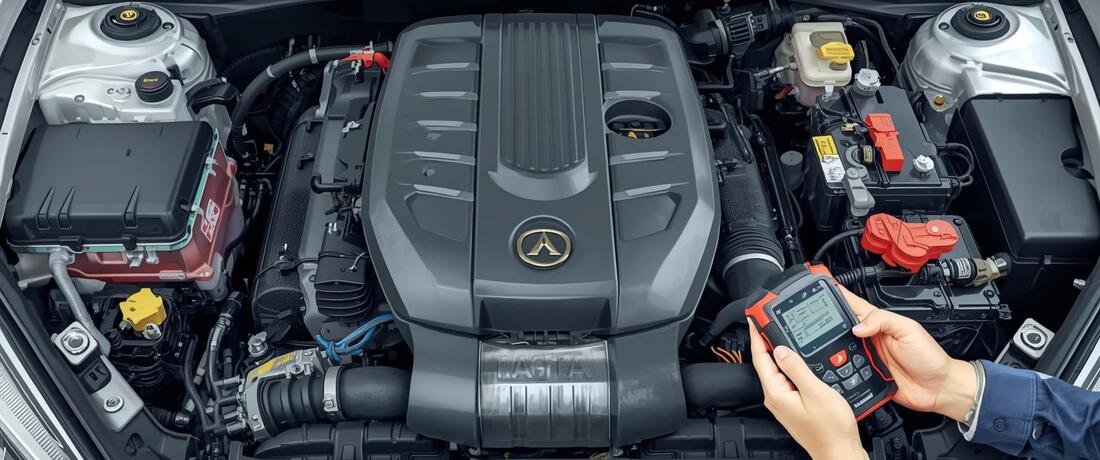
2. Advanced Diagnostic with an OBD-II Scanner
An OBD-II scanner capable of displaying live data is invaluable for diagnosing P0299:
- Monitor Boost Pressure: Compare the "commanded boost pressure" (what the ECM is asking for) with the "actual boost pressure" (what the MAP sensor is reporting). A significant and consistent discrepancy confirms an underboost condition.
- Check MAP and MAF Sensor Readings: Monitor these sensors for erratic readings or values that seem out of range compared to specifications or expected idle/load values.
- Wastegate Actuator Command: Some advanced scanners can command the wastegate actuator to move, allowing you to observe if it's responding correctly.
3. Turbocharger Health Assessment
If leaks and sensors check out, the turbo itself might be the issue:
- Shaft Play Check: With the intake pipe disconnected from the turbo's compressor inlet (engine off!), gently try to move the compressor wheel. There should be minimal side-to-side play and no in-and-out play. Excessive play indicates worn bearings, signaling a failing turbo.
- Oil Presence: While some oil mist is normal, significant oil accumulation in the intercooler pipes or around the turbo seals could indicate internal turbo issues or a compromised PCV system.
4. Smoke Test for Leaks
For elusive boost leaks, a smoke test is highly effective. A smoke machine injects harmless smoke into the intake system, making any leaks visible as wisps of smoke escaping.
DIY Fixes vs. Professional Repair: Making the Right Choice
When faced with a P0299 code, it's crucial to assess your mechanical skills and the complexity of the potential repair. Some fixes are well within the scope of a capable DIY enthusiast, while others demand professional expertise.
What You Can Realistically DIY
- Hose and Clamp Replacement: If you identify a cracked hose or a loose clamp, replacing these is often straightforward with basic tools.
- Air Filter Replacement: An obvious, easy, and inexpensive fix if your filter is clogged.
- PCV Valve/Hose Replacement: Depending on accessibility, these can often be replaced by the home mechanic.
- MAP/MAF Sensor Replacement: These are typically plug-and-play components, though ensuring you have the correct part and performing a sensor re-learn (if required) is important.
When to Call in the Experts
For more intricate issues, professional assistance is advisable:
- Turbocharger Replacement: This is a complex, labor-intensive job that requires specialized tools, precise torque specifications, and often involves dealing with oil and coolant lines. Improper installation can lead to immediate failure or reduced lifespan.
- Wastegate Actuator Replacement: While some actuators are replaceable, proper calibration and sometimes electronic programming are necessary to ensure correct boost control.
- Deep Dive Diagnostics: If you've exhausted basic checks and live data analysis, a professional mechanic with advanced diagnostic equipment and experience with turbocharged engines can pinpoint the issue more efficiently. They can perform more detailed tests like exhaust back pressure tests or utilize specialized scan tool functions specific to GM vehicles.
Ignoring a P0299 code won't make it disappear. Continuing to drive with an underboost condition can stress other engine components, lead to excessive carbon buildup, and ultimately result in more expensive repairs down the line. While dealing with car troubles might not grab headlines like a hypothetical malibu mansion lawsuit, resolving your vehicle's mechanical issues is paramount for your safety and wallet.
Conclusion
The P0299 "Turbo/Super Charger Underboost" code on your 2016 Chevy Malibu LT 1.5L is a clear signal that your engine's forced induction system is not performing as intended. By systematically checking for boost leaks, evaluating the health of your turbocharger and wastegate, and verifying sensor integrity, you can often pinpoint the root cause. Whether you opt for a DIY repair for simpler issues or enlist the help of a professional for more complex tasks, addressing this code promptly is crucial. Proactive maintenance and swift diagnostics will not only restore your Malibu's performance and fuel efficiency but also prevent potentially more severe and costly engine damage in the long run, keeping your focus on the road ahead rather than looming repair bills.